
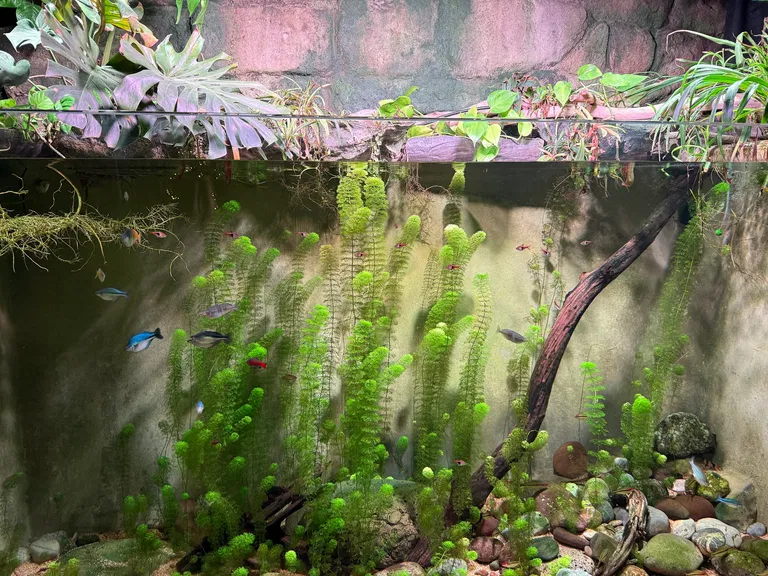
Fish are officially one of America's fastest-growing pets. Nearly 12 million U.S. households now keep freshwater or saltwater fish, according to The Tetra Guide Study, a decade-long analysis of pet-market data released in November 2025 — and the aquarium market behind them has swelled to roughly $2 billion. The surge is no accident. A new generation of owners, smarter tank technology, and a wellness-driven obsession with planted aquascapes have turned a once-overlooked corner of the pet world into one of its most dynamic. Here's what's driving the fishkeeping boom in 2025 and what it means for anyone thinking about bringing a tank home.
Inside the Fishkeeping Boom: 12 Million U.S. Homes and Counting
The numbers tell a remarkable story. The American Pet Products Association (APPA) titled its 2025 Fish & Reptile Report "From Bigger Tanks to Stronger Bonds," and the headline finding is that fish and reptile ownership is experiencing strong growth, with enthusiasts expanding their collections and investing more in their aquatic pets. Published in September 2025, the 200-page report draws on APPA's National Pet Owners Survey and confirms that fish ownership is making a comeback after years of flat growth.
The Tetra Guide Study, covering 2015 through 2025, puts the scale of that comeback into sharper focus. Roughly 12 million American households keep fish — about 10 million freshwater and 2 million saltwater — housing an estimated 30 to 40 million individual fish. Fish-related revenue is now growing slightly faster than the overall pet market, even though fishkeeping still represents just about 1% of America's total pet spending. As the study's authors put it, fishkeeping may be a small slice of the pet pie, but it is a slice that is expanding faster than the rest.
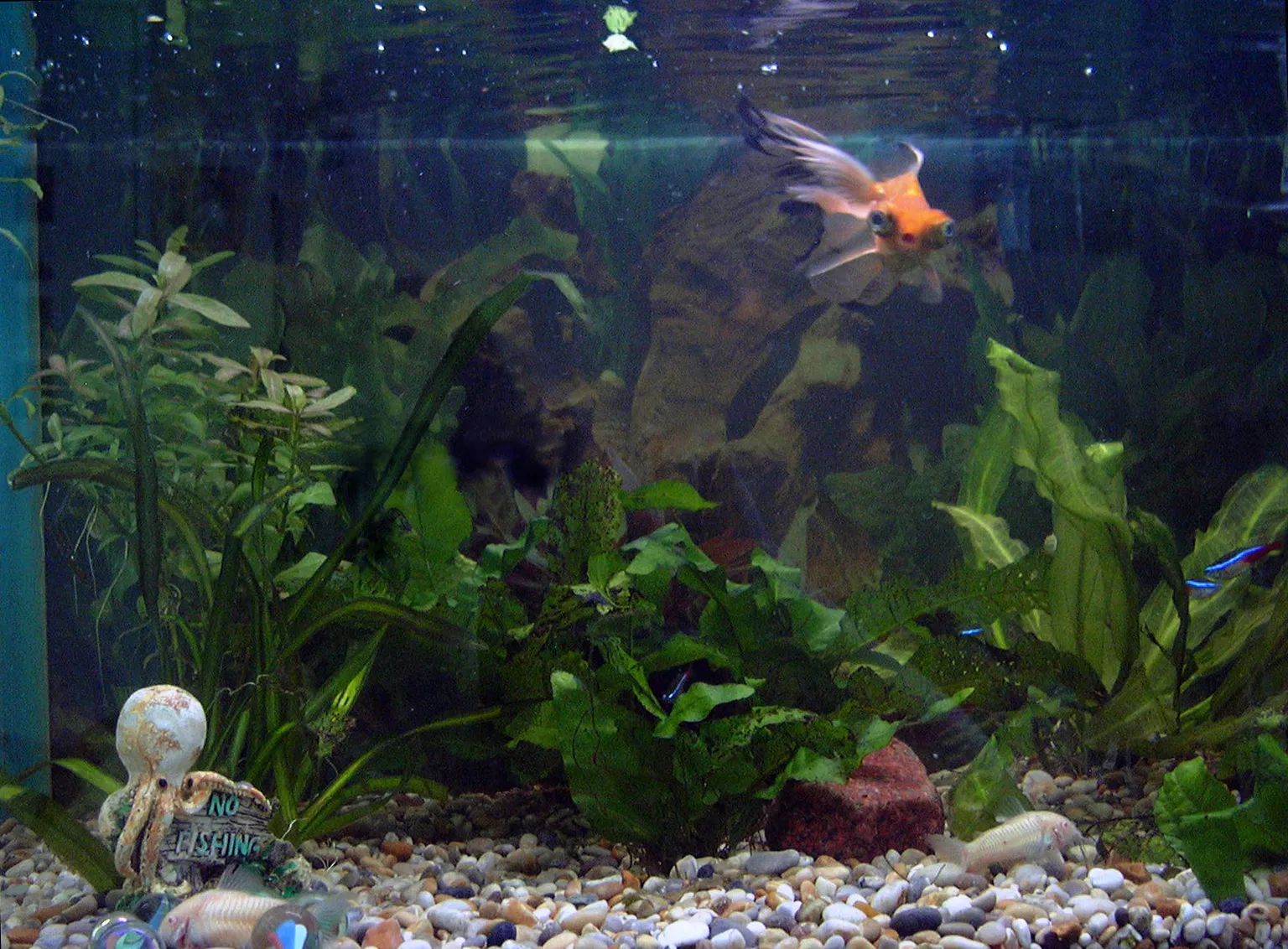
Driving the growth is a clear demographic shift. Millennials are the largest pet-owning generation in the U.S., at about 30% of all owners, and now represent the largest generational share of fishkeepers — roughly 38% of freshwater owners and nearly half of all saltwater owners. Gen Z, meanwhile, is fueling reptile growth, creating a two-generation wave that has reshaped the "other pets" category entirely.
How Fish Went From Forgotten Pet to 2025 Favorite
Fishkeeping's comeback didn't happen overnight. The hobby spent much of the 2010s quietly losing shelf space as consumers gravitated toward dogs and cats. Then several forces converged.
Rental restrictions pushed urban Millennials and Gen Z toward aquarium fish as a landlord-friendly pet of choice — no pet deposits, no barking, no damage. The wellness movement reframed aquariums as living décor, a slice of slow-moving nature for small apartments and home offices. And the rise of aesthetic hobbies on Pinterest and TikTok turned planted tanks and aquascaping into a full-blown visual trend, with searches for aquarium inspiration climbing steadily.
By 2025, that cultural shift had become measurable. APPA's data show owners are not just buying fish — they're upgrading to bigger tanks, keeping multiple tanks, and treating their fish as full members of the household. The report's own framing, "stronger bonds," reflects a genuine change in how Americans relate to their fish.
Why Fish Matter Now: Smart Tech, Bigger Tanks, and the Millennial Effect
The 2025 aquarium isn't your childhood goldfish bowl. Three trends are reshaping the hobby — and they explain why fish are suddenly a headliner in the pet world.
Smart technology. Automated feeders, Wi-Fi-connected water monitors, app-controlled LED lighting, and AI-assisted systems that track water parameters are turning fishkeeping into a connected, low-effort hobby. Industry watchers describe 2025 as the year smart aquariums went mainstream, with compact all-in-one tanks bundling filtration, heating, and lighting into plug-and-play packages that dramatically lower the barrier for first-time owners.
Bigger and better tanks. APPA's "bigger tanks" finding points to owners upgrading rather than downgrading — a signal of commitment and confidence in the hobby. Bigger water volumes are also more chemically stable, which means healthier fish and fewer beginner failures, reinforcing a virtuous cycle that keeps people in the hobby.
Sustainability and aquascaping. Nature Aquarium, Iwagumi, Dutch, and biotope layouts have become the hobby's creative frontier, with enthusiasts building underwater landscapes from rock, driftwood, and live plants. Eco-friendly products — energy-efficient LED lighting, low-waste filtration, and responsibly sourced fish — are increasingly what informed buyers seek out.
Where Fishkeeping Stands Today
The aquarium market's momentum is backed by hard economics. Market researchers peg the global aquarium market at roughly $4 billion to $5.6 billion in 2025, with projections calling for steady annual growth of about 4.5% to 4.9% through the mid-2030s. Fortune Business Insights values the 2025 global aquarium market at $4.0 billion, while Dataintelo puts it at $5.6 billion and forecasts a climb to $8.32 billion by 2034.
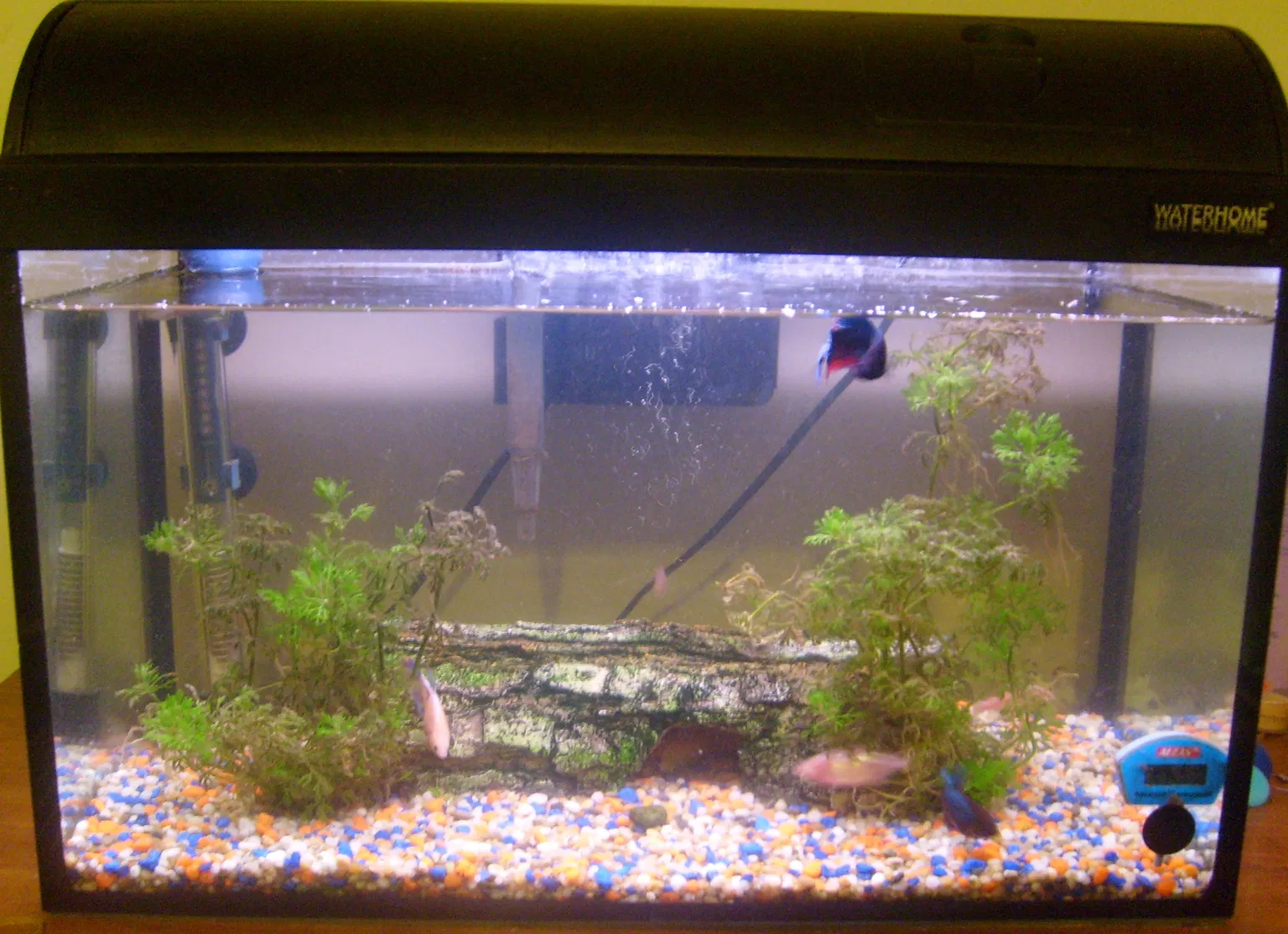
On the retail side, APPA's research highlights a "retail plus digital" dynamic. Fish owners are blending in-store loyalty with digital engagement — researching products online while still buying live fish and equipment from local specialty shops. That hybrid behavior is pushing retailers to invest in better in-store experiences and stronger e-commerce at the same time.
APPA has already followed up with a dedicated 2026 Fish Report, a deeper dive into U.S. freshwater and saltwater fish-owning households — a clear sign the industry now sees fish as a growth category worth its own annual benchmark.
What's Next for the Aquarium Hobby
Analysts expect the fishkeeping wave to keep building. As smart equipment gets cheaper and more capable, the hobby will likely attract more convenience-driven owners who might once have been intimidated by fishkeeping's learning curve. The planted-tank and aquascaping boom shows no sign of cooling, and sustainability is expected to move from a nice-to-have to a baseline expectation for new products.
For prospective owners, the message from 2025's data is encouraging: begin with a properly sized, cycled tank, invest in a reliable filter and heater, and choose hardy beginner species such as bettas, guppies, and tetras. The tools, communities, and information that once made fishkeeping feel niche are now more accessible than ever — which is precisely why millions of Americans are diving in.
The Bottom Line: Key Points to Remember
- Nearly 12 million U.S. households now keep fish, housing an estimated 30–40 million fish.
- The U.S. aquarium market has grown to roughly $2 billion, outpacing the broader pet market's growth rate.
- Millennials lead fishkeeping (about 38% of freshwater and nearly half of saltwater owners), while Gen Z drives reptile growth.
- 2025's defining trends are smart technology, bigger tanks, sustainability, and aquascaping.
- APPA's "stronger bonds" finding signals that owners now see fish as full-fledged companions.